
San Pedro de Atacama history through the oasis
San Pedro de Atacama history is rooted in an oasis fed by the San Pedro and Vilama rivers. The settlement belongs to El Loa province in the Antofagasta region, within the Atacama basin. Water, cultivation and exchange are useful starting points for understanding the village: the desert landscape around it has also been a place of homes, work and social relationships.
Ayllus are territorial, economic and social units of the oasis. They help explain why the history of San Pedro extends beyond the church and plaza. Read the surrounding landscape as an inhabited setting rather than treating every visible building or plot as a visitor attraction. For the wider visitor overview, see things to do in San Pedro.
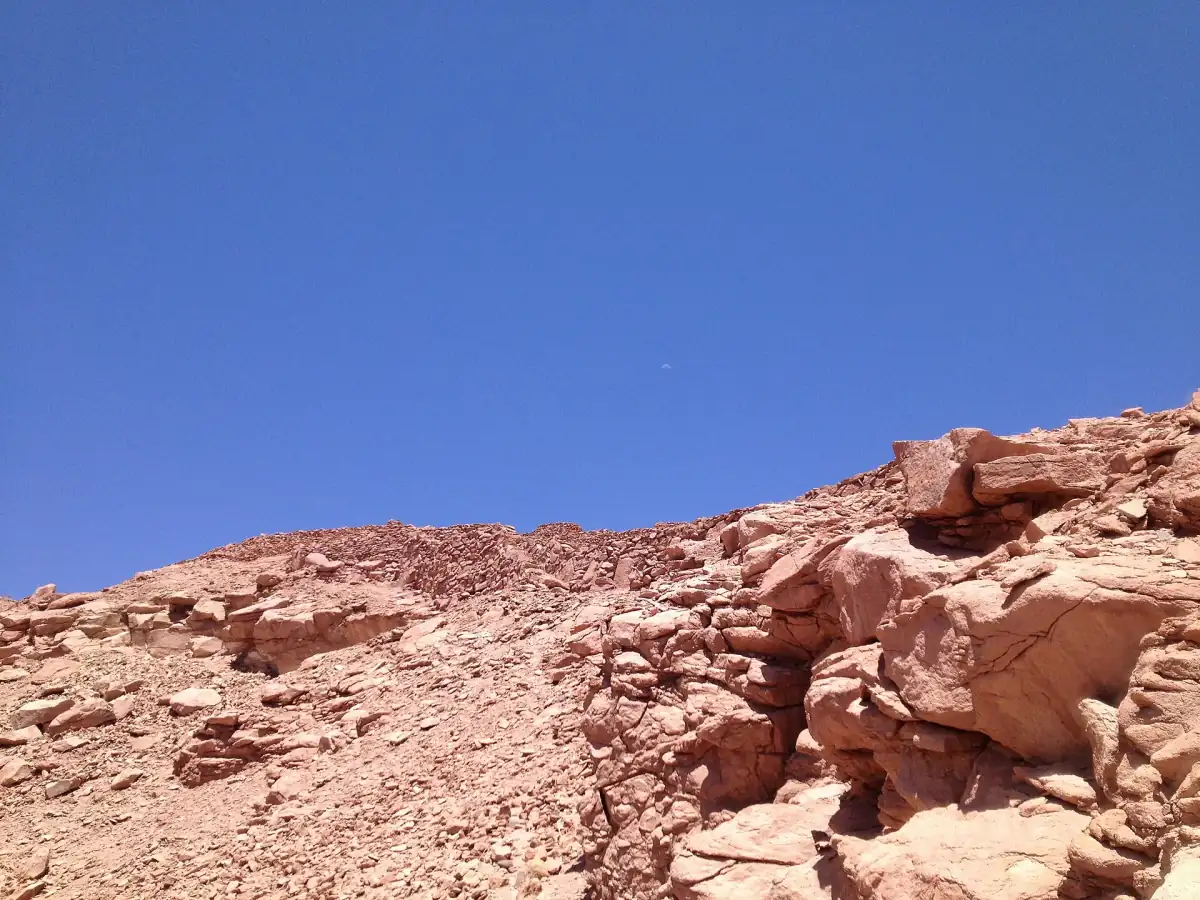
Caravans and cultural influences
A historical account submitted to UNESCO in 1998 describes agriculture, caravan exchange and influences associated with Tiwanaku, the Inka and Spanish colonisation. These are different strands of the oasis story. Caravan exchange places San Pedro within connections across the region, while agriculture brings the focus back to the land and water supporting settlement.
Use that background to frame questions during a cultural visit: how did people organise territory, store supplies and build with local materials? The archaeology excursion offered here is a shared service with a box snack. Its review profile comprised two reviews in November 2026, so that small sample deserves proportionate weight when comparing it with other Atacama excursions.
Local archaeology
This shared service relates to the area's archaeological heritage; confirm the sites and entry fees.
Hand-picked tours, booked through Viator. Prices are indicative starting prices in US dollars (as of October 2026). Tap a tour for live availability and the current price in your currency.
Archaeology in a shared group
An archaeological outing with shared service and a box snack, for travellers adding cultural context to their desert itinerary.
Village layout, adobe and the church
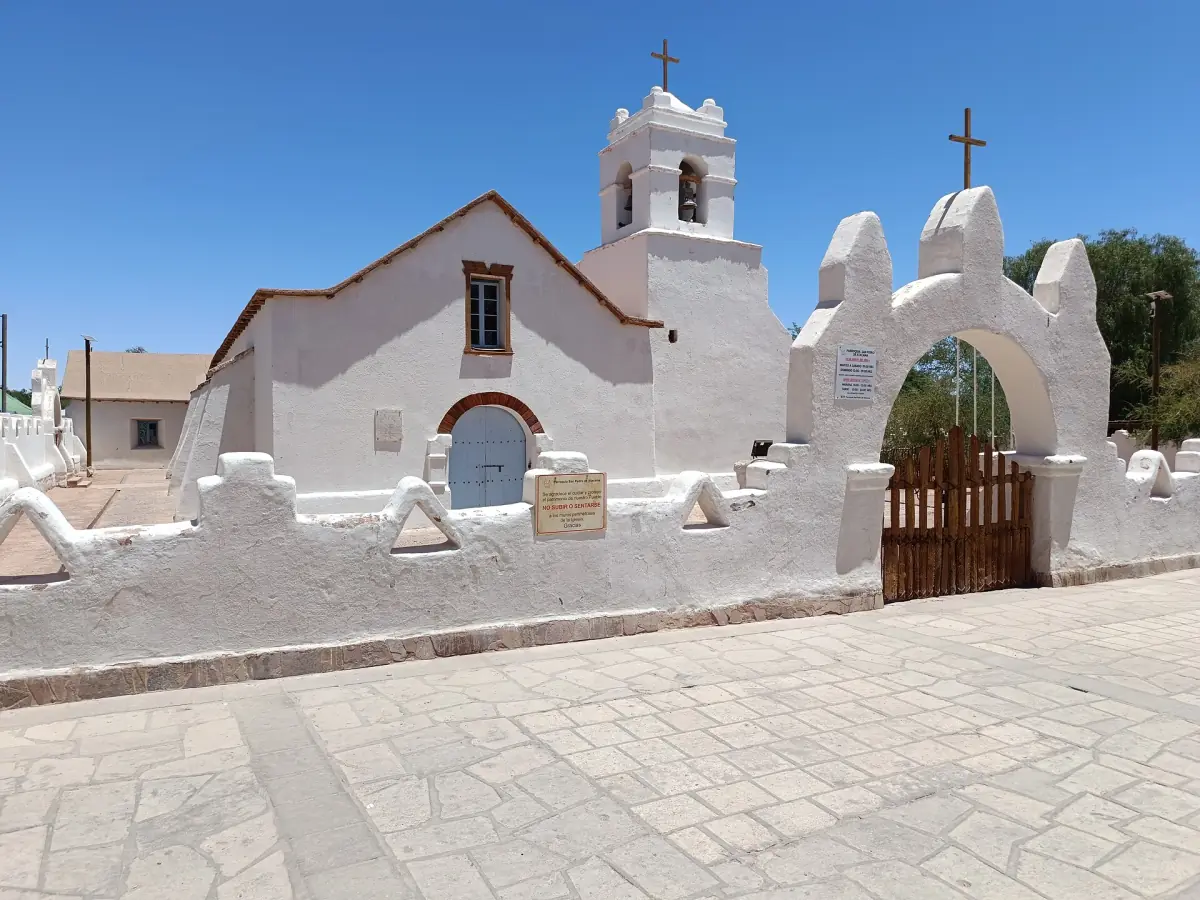
The national heritage description identifies a combination of Hispanic settlement layout and Indigenous building techniques. Around the plaza, the church provides a concrete example of adobe construction and regional timber, including cactus wood. Looking at the relationship between walls, materials and the surrounding village gives the visit more substance than simply photographing a white façade.
Approach the church as a place with its own access arrangements. Check visiting hours and admission conditions for your date, and leave time to see the surrounding settlement without making entry to the interior the only purpose of the stop. For the organisation of a stay around the village and oasis, read where to stay.
Pukará de Quitor
Quitor is a fortified site north of San Pedro. Its stone walls, terraces and divided rooms relate to protection and the storage of supplies. Those functions connect the remains to the wider history of settlement: people needed to organise space, preserve resources and respond to threats as well as cultivate the oasis.
Plan Quitor as a separate cultural visit rather than an assumed stop on every desert outing. The archaeological excursion’s inclusions cover shared service and a box snack; choose it for that service format and read the itinerary for its actual stops. Arrange access to Quitor through the site’s visiting arrangements and stay within the areas made available to visitors.
Living communities and responsible visits
Lickanantay, also called Atacameño, communities are part of the present as well as the past. Community management is visible in places such as Socaire and Solor, linking contemporary visitor organisation with the territorial setting of the oasis. The highland lagoons and Cejar and Piedra pages explain those distinct visits.
For a cultural itinerary, combine the village setting with one focused archaeological visit and leave room for explanation. Ask permission before entering private land or ceremonial spaces. Choose public visiting arrangements and respect instructions at each site. This approach keeps the emphasis on people and place, rather than turning the oasis into a collection of interchangeable photo stops.
Frequently asked questions
Is San Pedro a UNESCO World Heritage Site?
San Pedro appears on UNESCO’s Tentative List. That listing is a proposal stage and is different from inscription as a World Heritage Site.
What are ayllus?
They are territorial, economic and social organisation units of the oasis. They belong to the cultural setting of San Pedro, beyond the central plaza.
Does the archaeology outing include church and Quitor tickets?
Its inclusions are shared service and a box snack. Organise any specific church or Quitor visit according to the itinerary and the site’s admission arrangements.